Beautiful Plants For Your Interior
“Traveling leaves you speechless, then turns you into a storyteller”
― Ibn Battuta, The Travels of Ibn Battutah
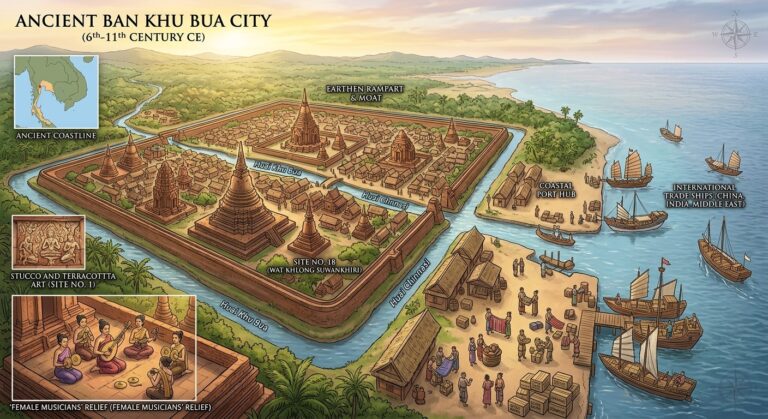
Dating back to Dvaravati Kingdom in 600 – 700 CE., historical tools and Jewelry made from clay & pottery, stone, animal’s bones, bronze & iron were found in the area. Aggregated evidence pointed to contemporary areas of Ban Khu Bua and Khao Ngu as administrative districts and international trading port in the past. Geological shift moved seaport away and turn the region into inland; despite reduced proximity to seawater, Ratchaburi had always been essential trading hub and transit route for reigning power. Consequently, one of the eight sculptures of Radiating Avalokiteshvara Bodhisattva linked to Lopburi/Khmer culture was found at Kosinarai Ancient City; back then an area within administration of Ratchaburi City Lord.
During Sukhothai and Ayutthaya Era (1200 CE. – 1700 CE.) Ratchaburi City functioned as western frontier for Ayutthaya Kingdom against Burmese, guarding mountain passage. Then in 1900, Rama V of Chakri dynasty found current Ratchaburi city-center as administrative capital of the region and built Chulalongkorn Bridge as Thailand’s first river-crossing railway bridge running across both sides of the riverbank flowing through heart of the city. Total length of 150 m separated into 3 sections of 50 m., the railway bridge was an engineering marvel of the period.
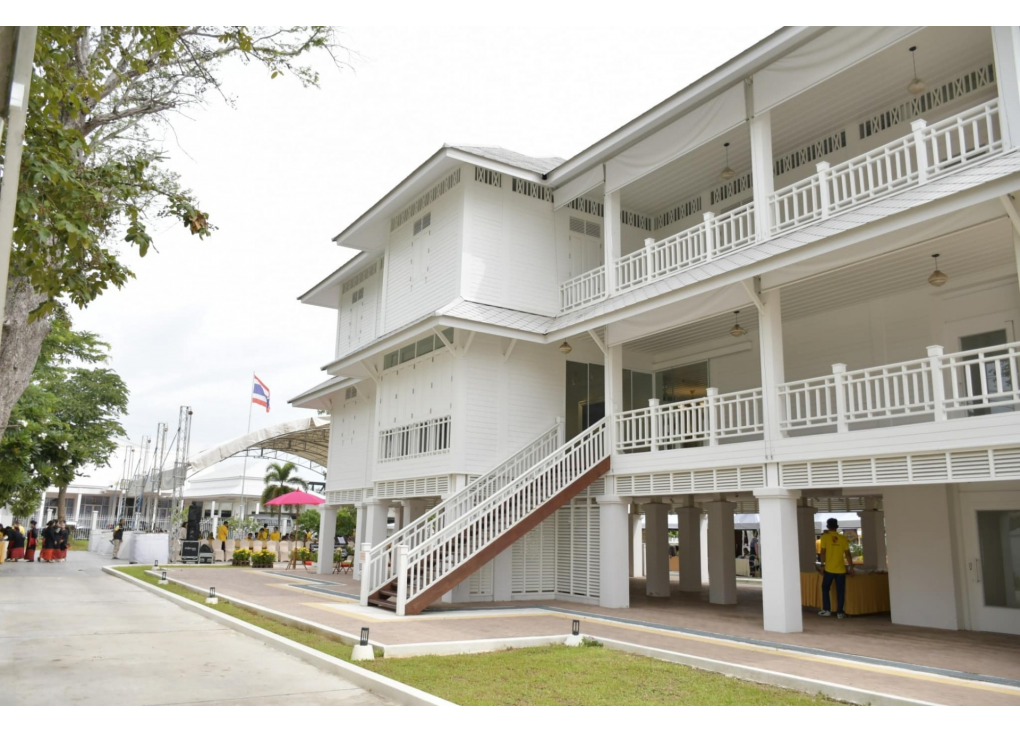
A 100 Yeas-old colonial-era wooden structure with architectural style called Hipped roof widespread in South East Asia; originally belonged to Rama V’s governor, now it functions as regional cultural heritage museum.
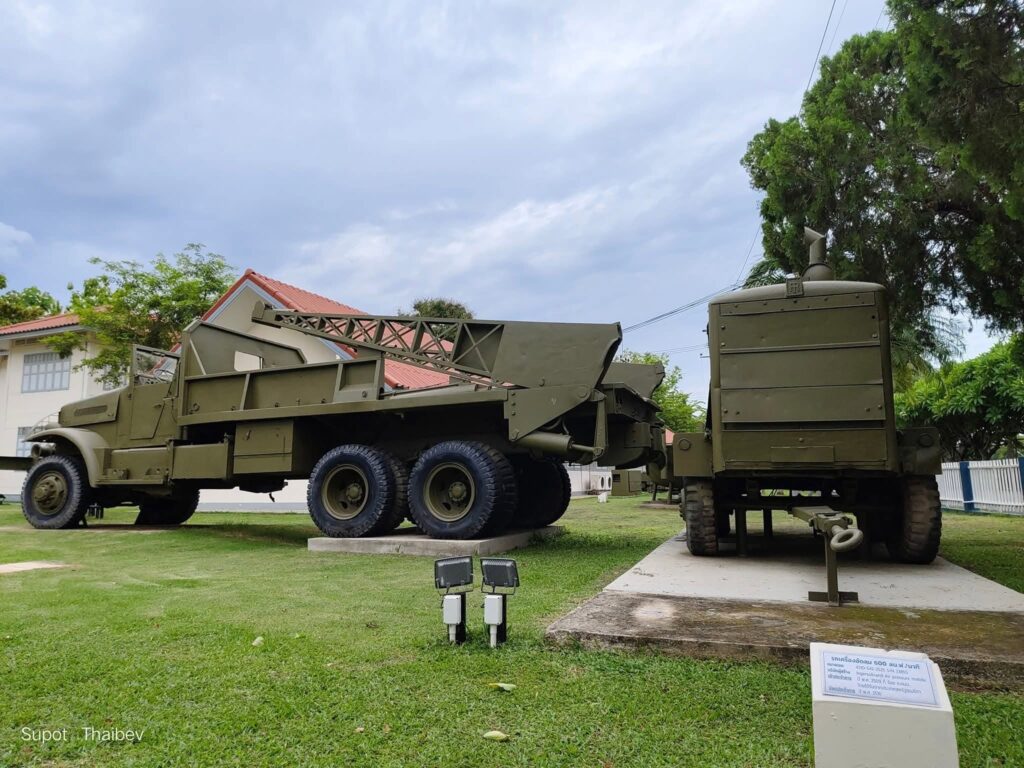
Established in 1875 CE., the Department was responsible for engineering and maintaining radio-communication towers between Ratchaburi and Bnagkok. The museum displays both military hardware and uniform used during WWII period.
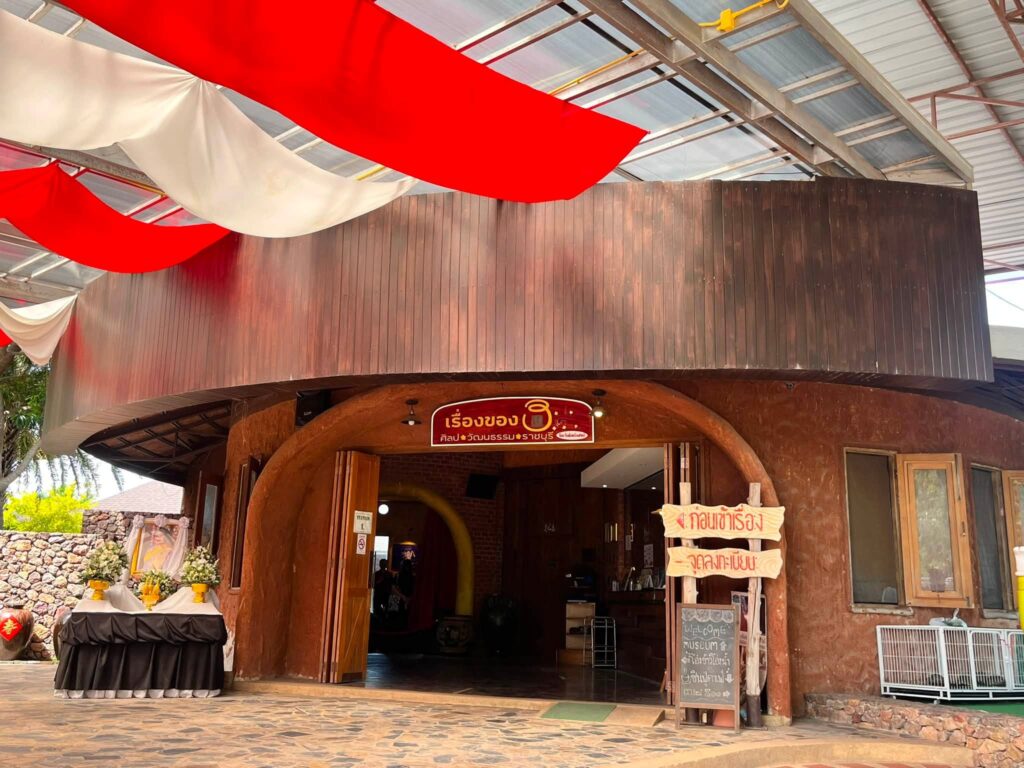
Functions as a heritage preservation Museum, In 1970, 2 Chinese immigrants found high quality Red Clay and established this famed Clay Factory in the area; molding it by hands into Dragon-Pattern Pottery for water collection, but society and behavioral practice have already shifted away from pottery; hence, a stagnation and decline.
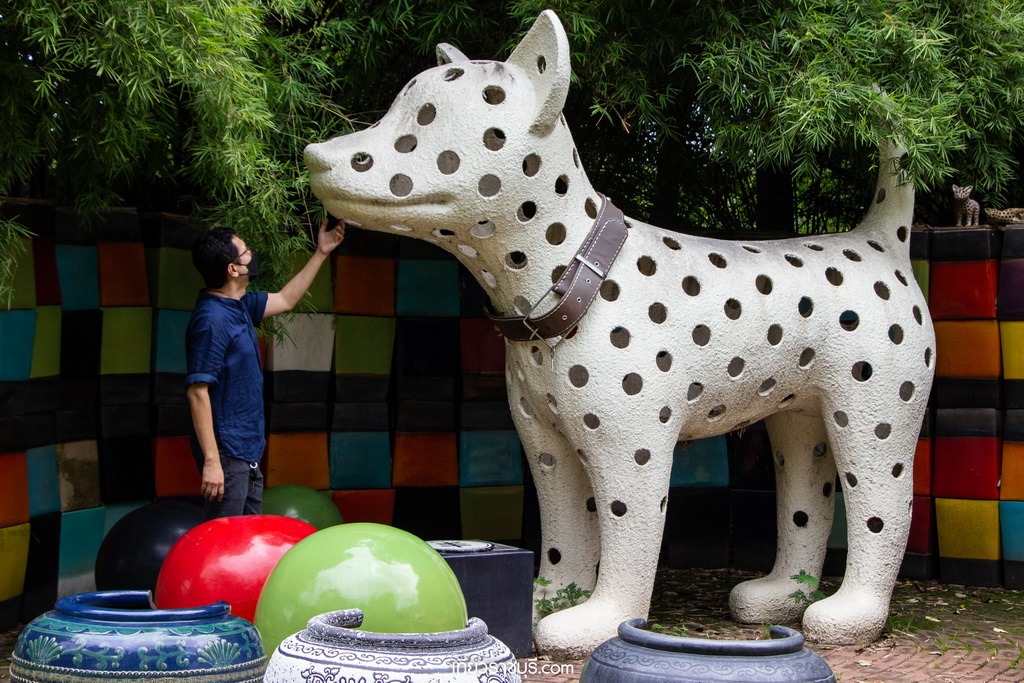
Similar to Pottery Legend in cultural linage, Tao Hong Tai was found as Pottery Factory that made a legend out of Ratchaburi Clay. Now the factory functions as ceramic production facilities and sculpture garden for visitors. Its products are exported to global market.
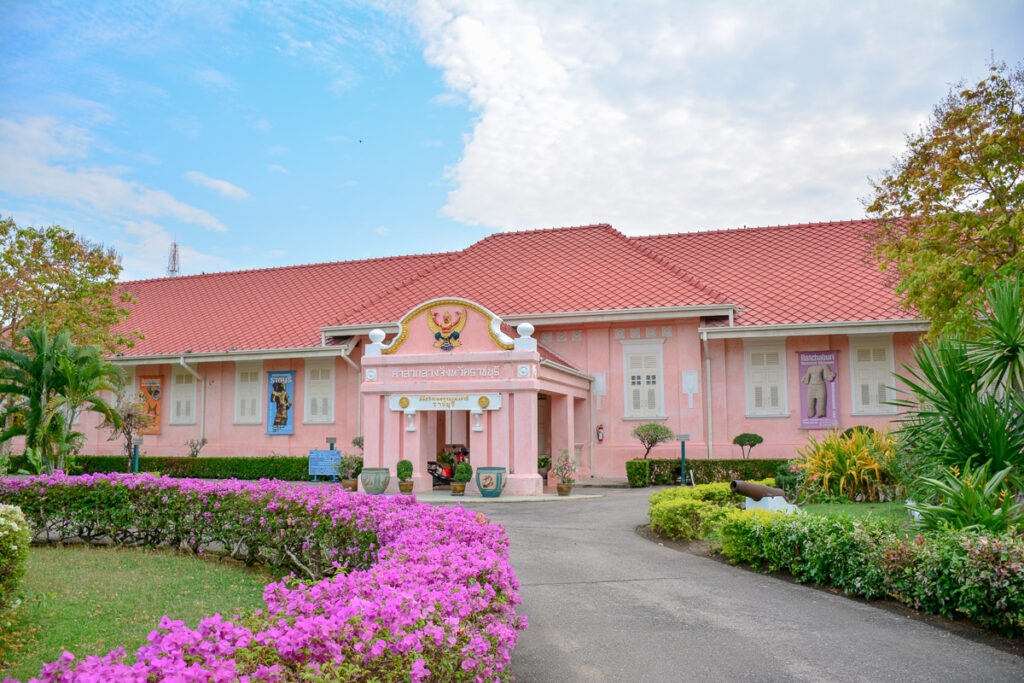
A regional museum managed by The Fine Arts Department under Ministry of Culture, the museum displays natural geography, racial and historical facts of Ratchaburi region as well as roles of Royal Patronage in regional development.
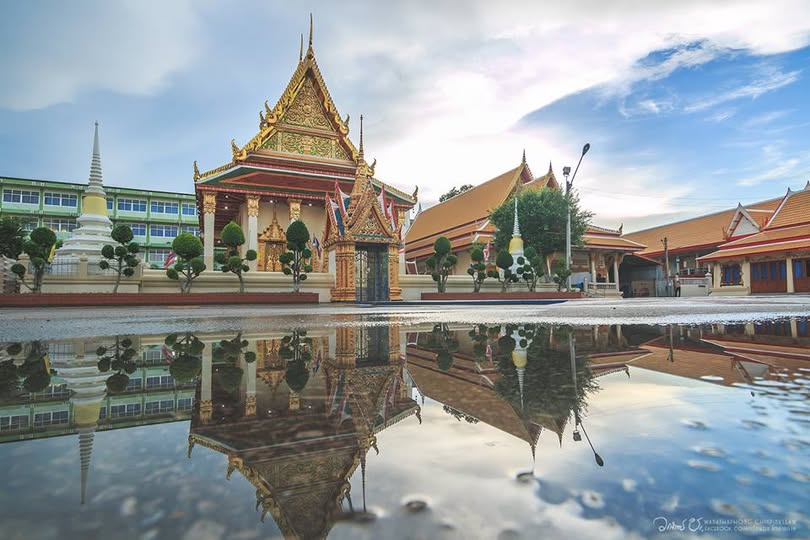
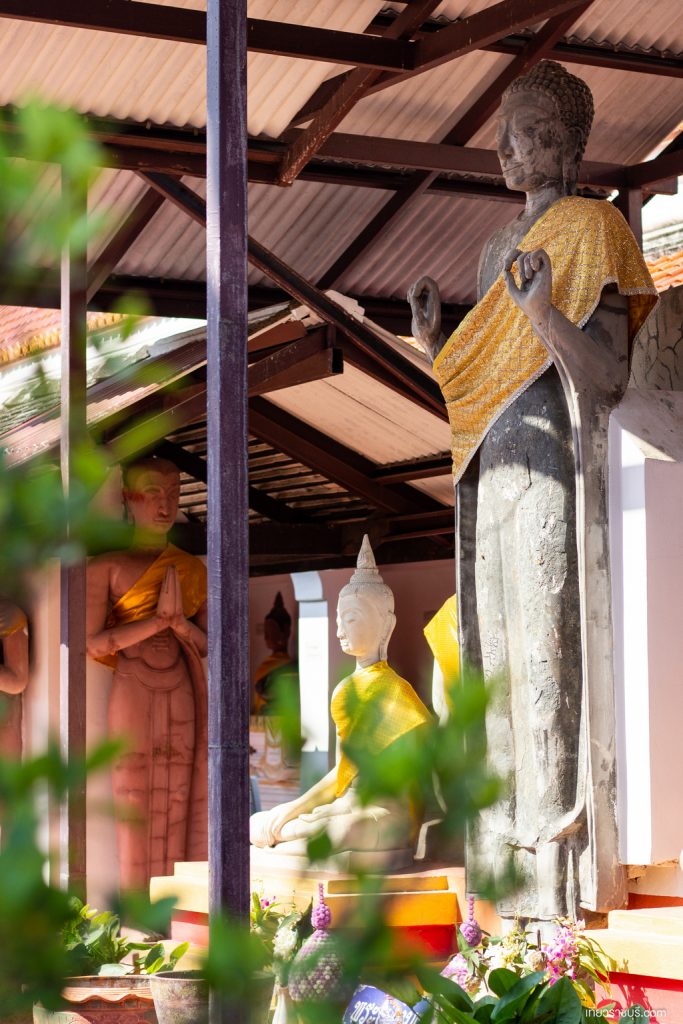
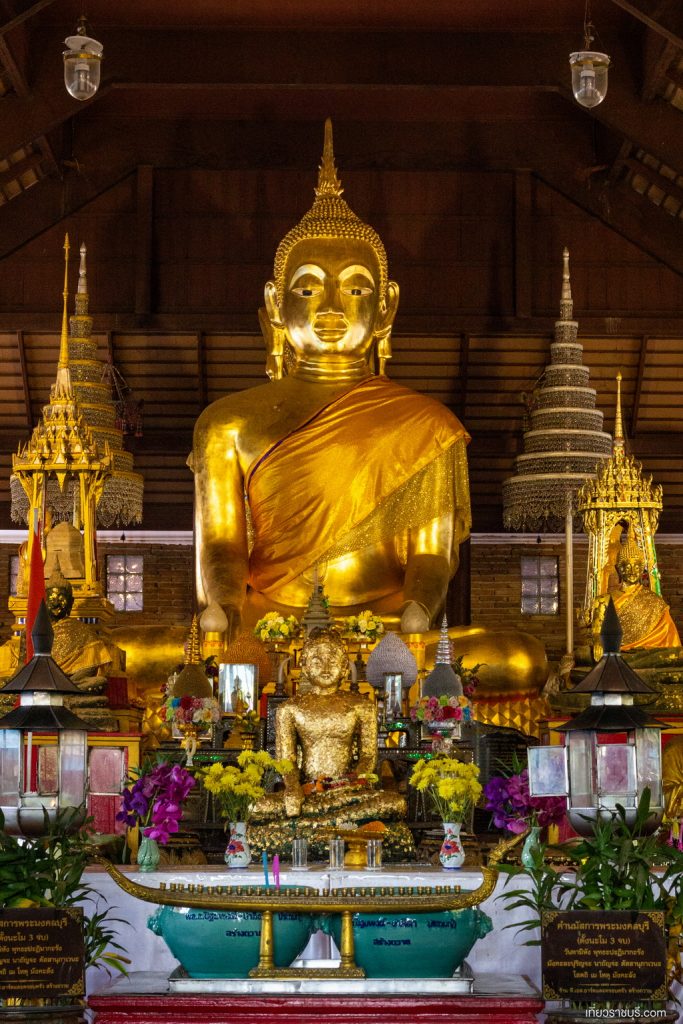
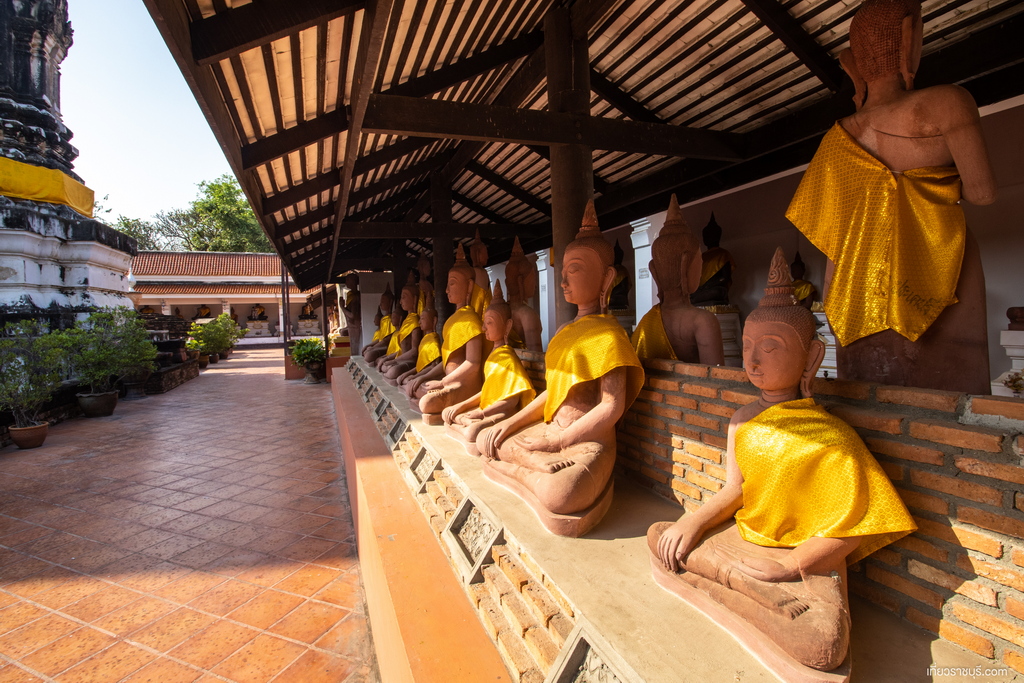
Wat Chong Lom was assumed to be first Built during Ayutthaya period, but concrete evidence pointed to establishment in 1868., Then under Rama IX’s Royal Patronage, the temple was elevated into 3rd class Royal temple. Wat Chong Lom features prototype architectural style of all modern Thai temple and Buddhism sculptures.
Travel Sites
archaeological Spotlight
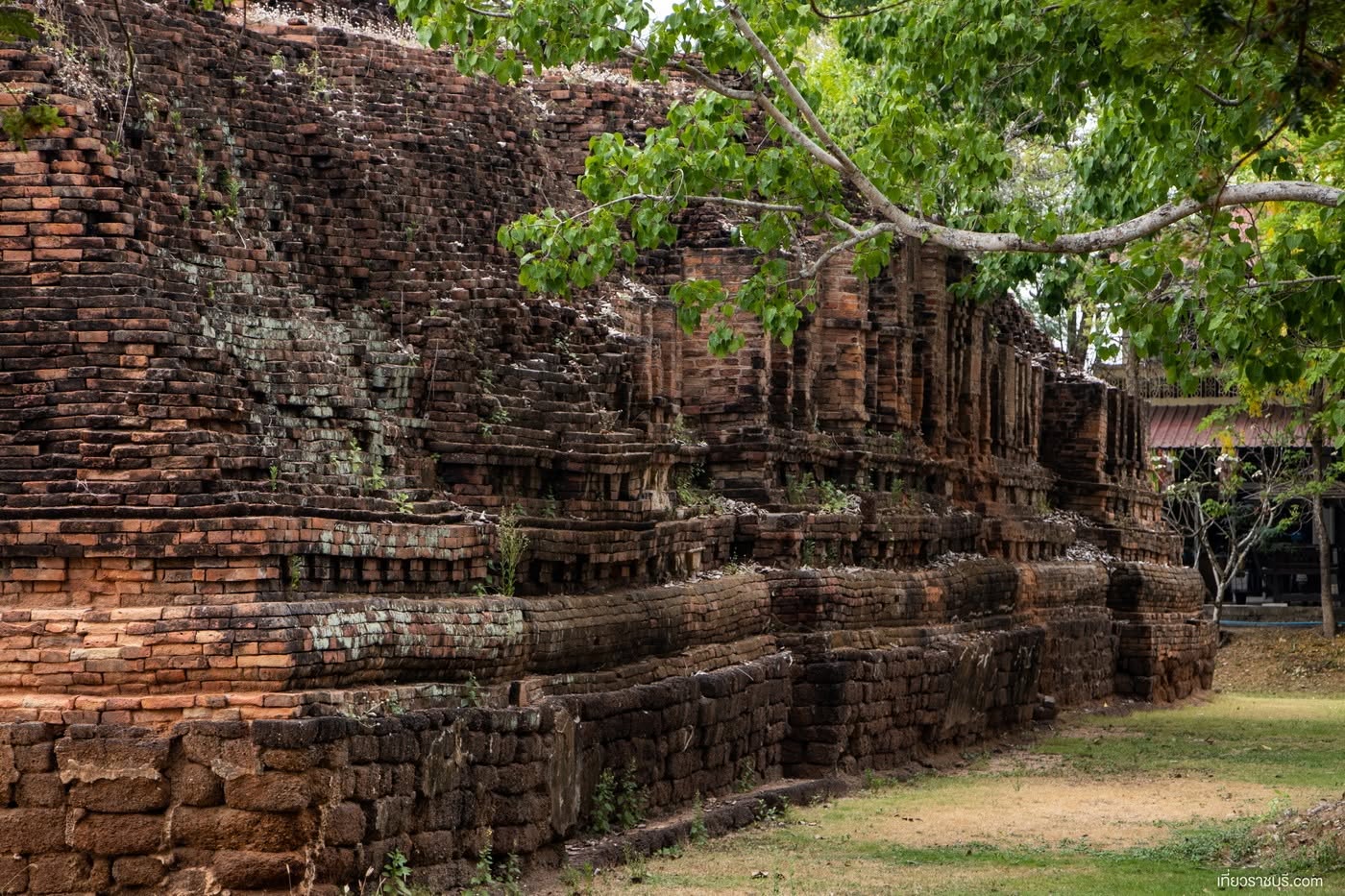
One of Thailand’s most significant Mon-Dvaravati archaeological sites dating back to earliest glorious days of the Kingdom in 600 CE. Despite scatter remnants that remain, empirical evidence suggests the area once was on Maritime Silk Road Map for traders from both Tang Dynasty and Abbasid Caliphate.
Maritime merchants would stop at the city port trading turquoise-glazed ware, bronze mirror, or glass for forest harvest and continue onward either to Chang’An or Baghdad.
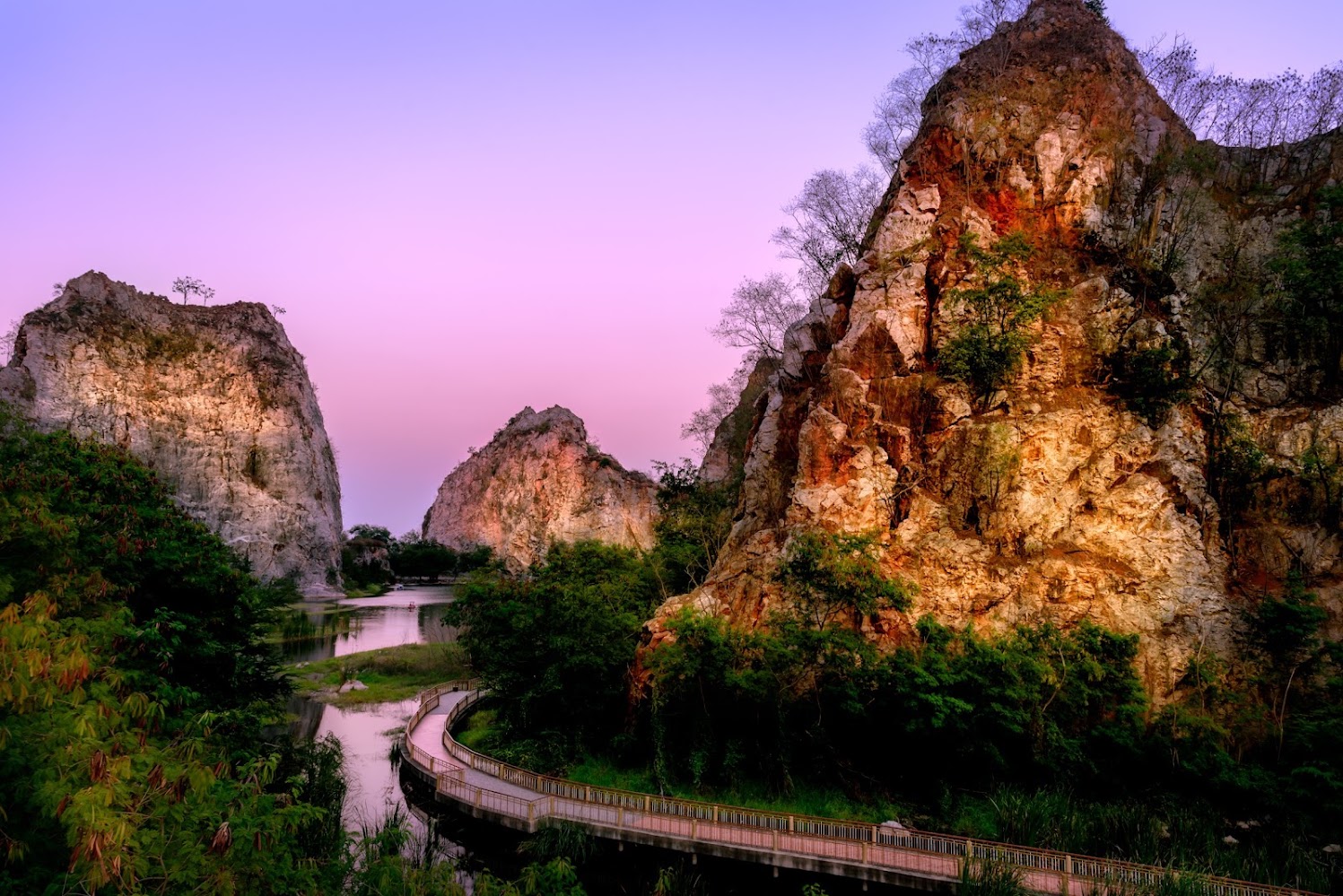
Under blazing sun, the stone park is best visit in the late afternoon or pre-evening for mesmerizing sunset scenery. The site pre-date Rattanakosin era to Ayutthaya reign; inside visitors can see Buddhism sculptures and religious relics. Nearby there are Tham Rakhang and Khao Phrabat; both symbolizes localized faith in Buddhism religion.
Activities on site are trail-walking and boat paddling; preferably in the evening or in cloudy day.
Visitors by train takes South-bound train no. 169, 251, 255, 261, 911 from Bangkok City or Paktor District (Heading to BKK) and get down at Ratchaburi District Station. Then hire a local taxi or motorcycle.
Due to site location, it’s best to plan a Ratchaburi City Journey in advance as a day-trip from Kongkarn Resort & Farmstay
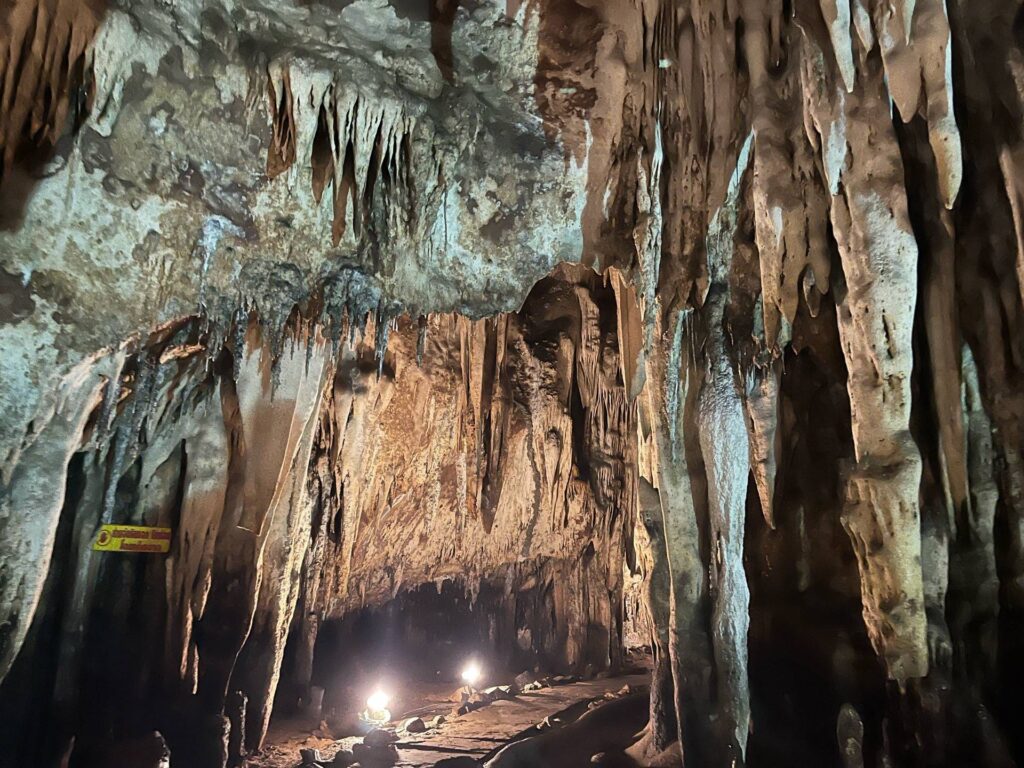
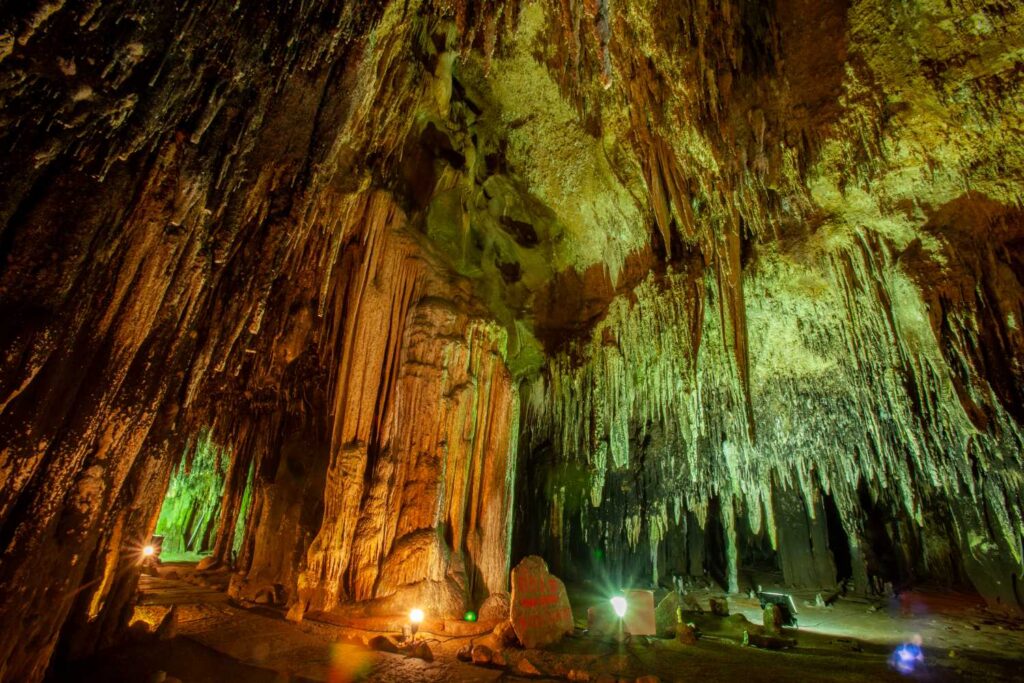
At 272 m in height above sea water, Khao Bin Cave is the biggest cave in Ratchaburi province. The Site separates into 8 halls named in Sansakrit language in accordance with local faith. It takes roughly 30 minutes walk.
Khao Bin is open to visitors between 08:00 – 16:00. Entrance fee is 20 Baht/person. Visitors best hires a Day-trip taxi from Ratchaburi city-center or Kongkarn Cafe.
Local attractions are Khao Prathap Change Wildlife Preservation Center where visitors can see rehabilitated local wildlife for free; visitors may spend upto 45 minutes inside the center.
Nearby, religious pilgrimage may find 100-Year Monastery of Viriyang Buddhist, previously a famed Buddhism monk prior to his passing, and learn of his way of Buddhism practice.
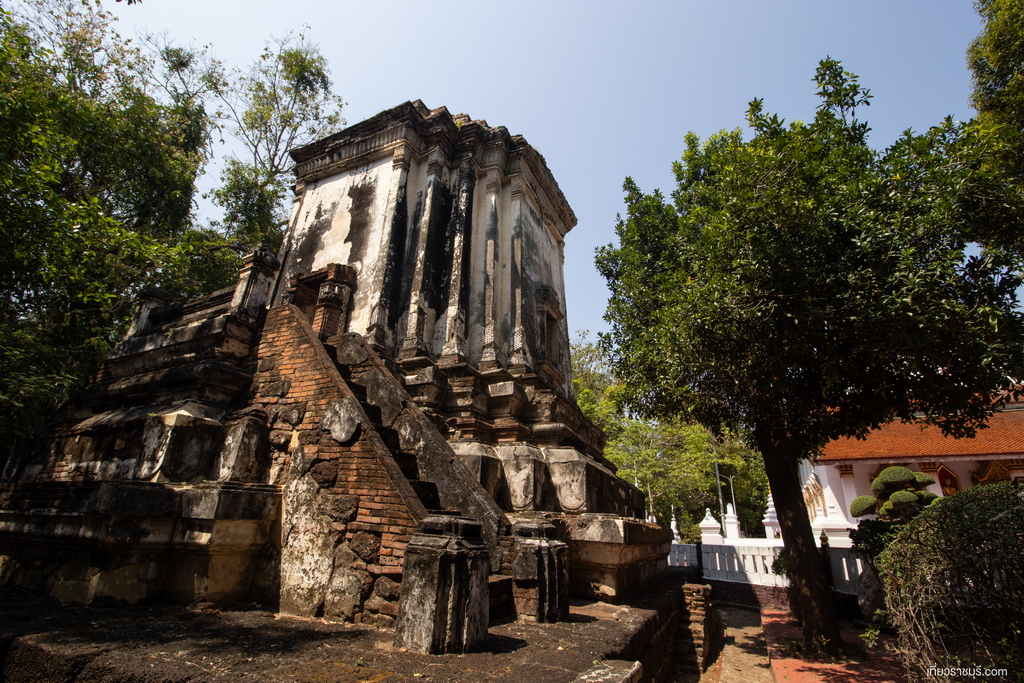
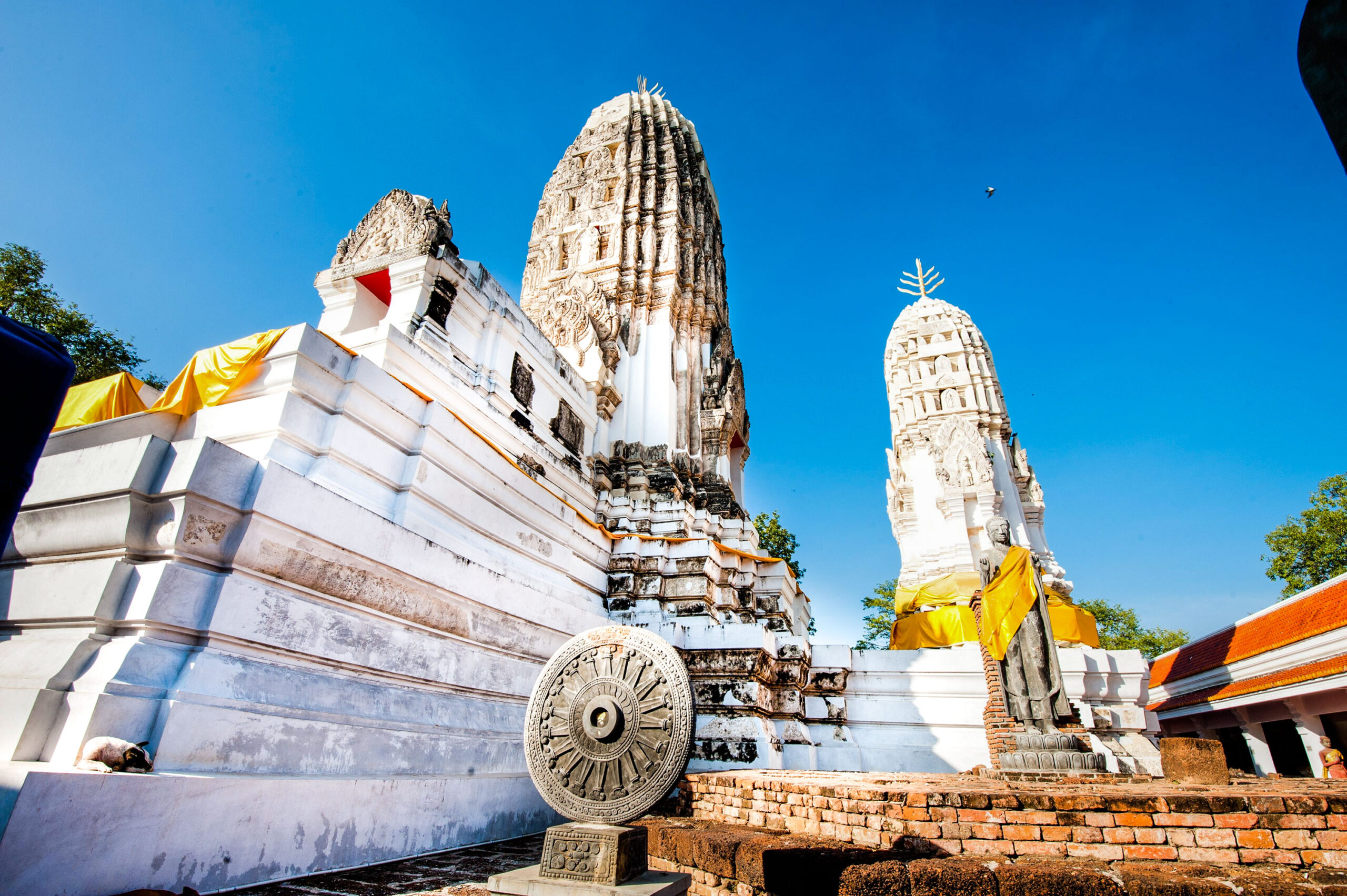
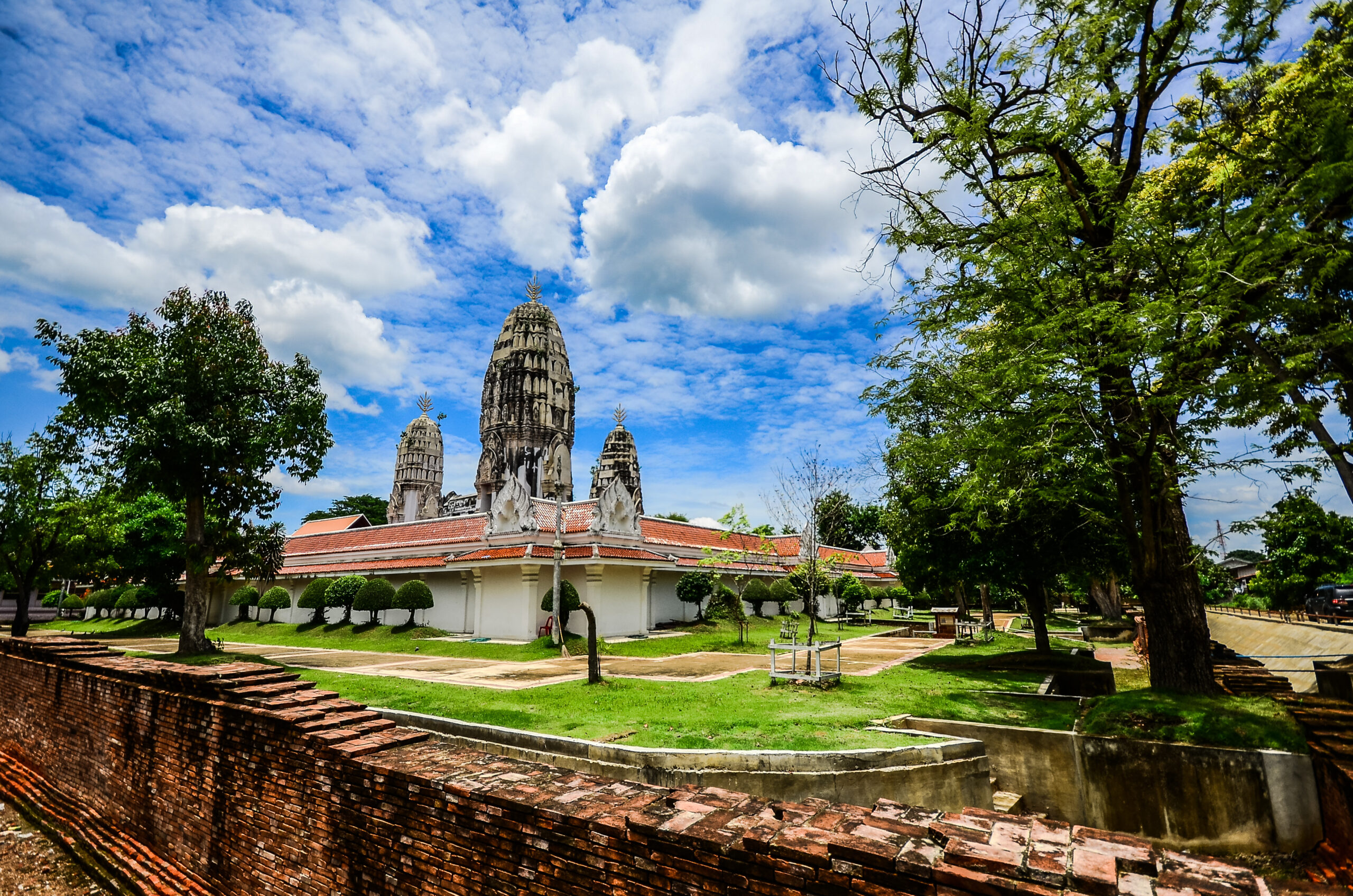
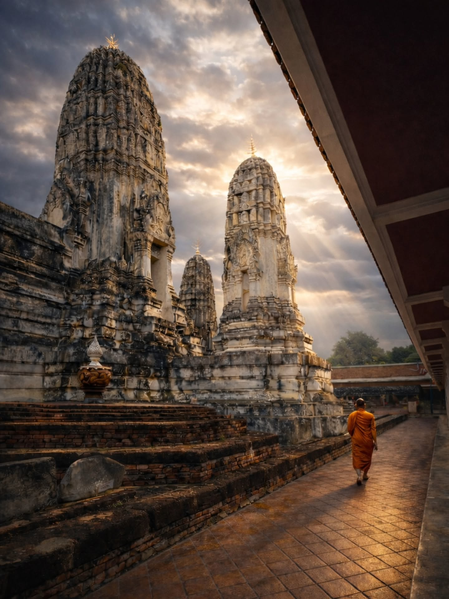
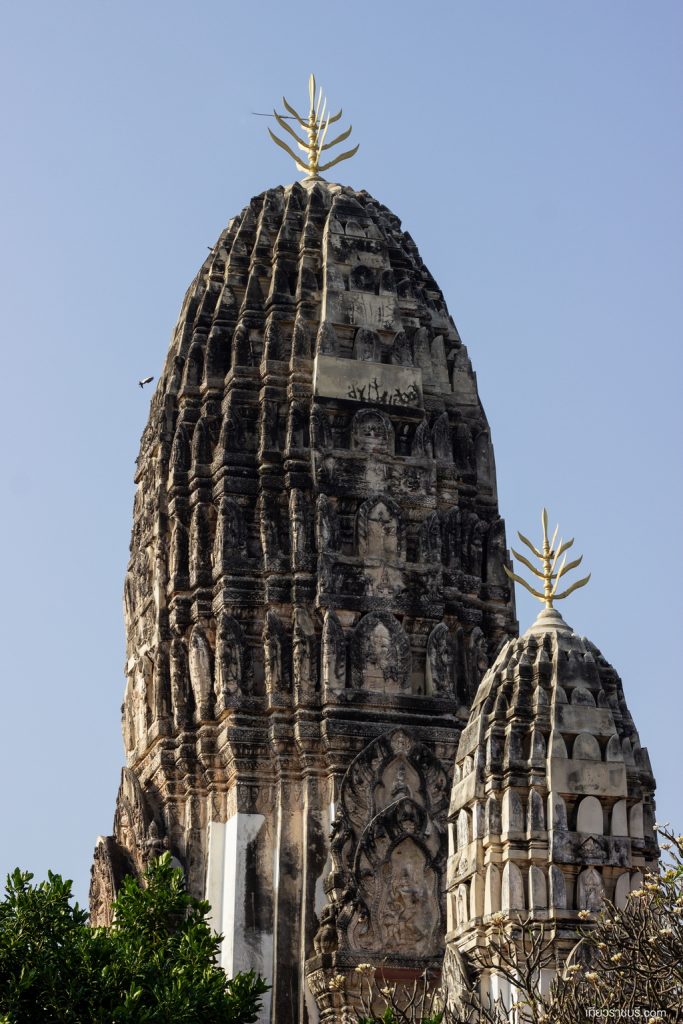
Assumed to be first built by Dvaravati Kingdom around the same time as the construction of the old city of Ratchaburi. Roughly 1200 CE. during the reign of Holy King Jayavarman VII of Khmer empire who was the first Khmer King to convert to Buddhism, a castle was built on top of it. By then this temple was the city-center in accordance with Khmer culture. Nowadays, locals called it “Wat Na Phra Thad” and regularly hold festive religious events in accordance with Thailand’s Buddhism calendar.